
Inside the Chippewa County Most Wanted Program
Chippewa County runs no public most wanted program. The sheriff does have a Warrant Officer on staff, but the office posts no roster, no reward page, and no tip portal for the public. So a name search against a wanted list simply is not possible here. That is not the same as saying no one is wanted. It means the county has never built a public page for it, and there is nothing to browse. Where a county does run such a program, the list is a hand-picked subset: the sheriff chooses a few cases from its open warrants and publishes them with a photo, a charge summary, and a way to send a tip. For a warrant question in Chippewa County, the Sheriff contact page at chippewacountymi.gov/sheriff-office is the office to call.
No Chippewa County Most Wanted List Exists
No Chippewa County most-wanted list is published anywhere online. The county's own site offers neither a warrant search nor a wanted page. Police agencies here rely on a statewide network, but only authorized users can query it. The state's public criminal-history product simply omits warrant information. A public case-search portal does exist, yet it lists case files rather than wanted individuals. So Chippewa County is not concealing anything; it just has no published list to check.
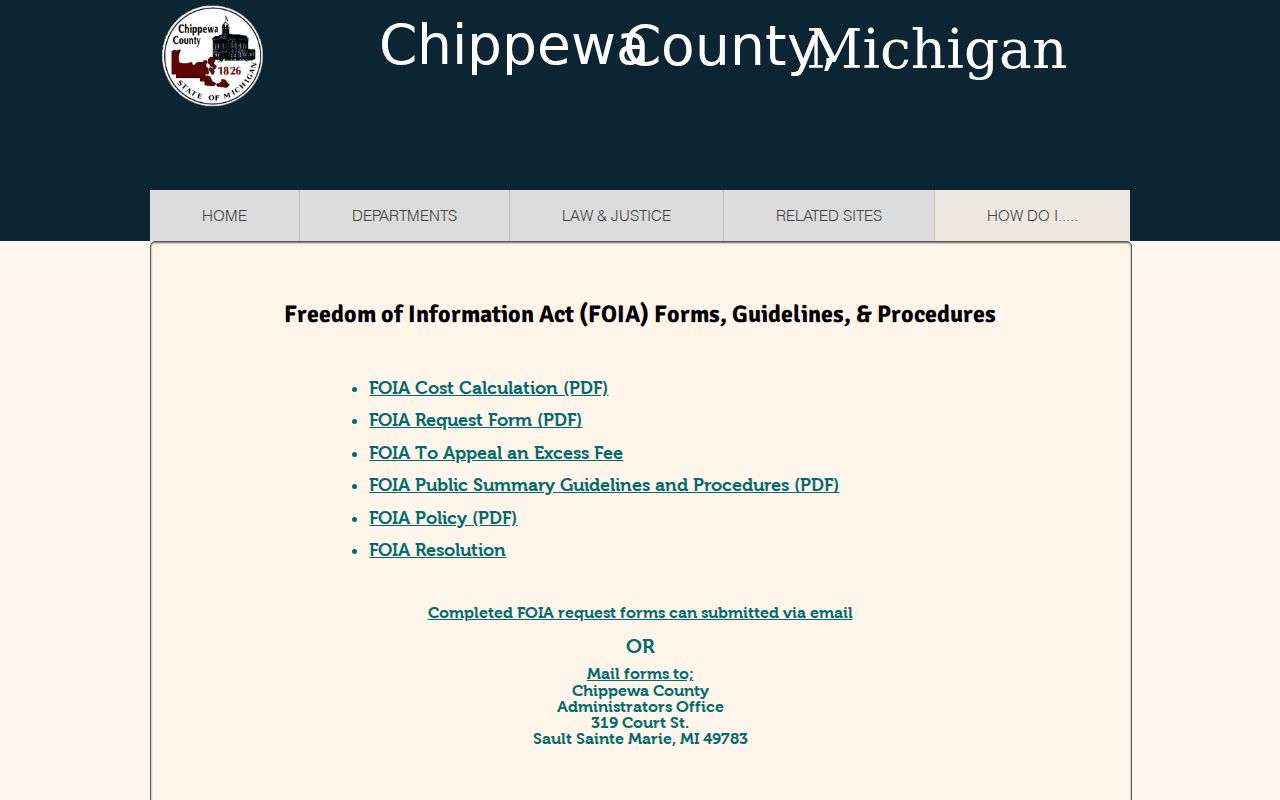
If a warrant record exists somewhere in county hands, a written FOIA request is the way to reach it in Chippewa County. Ask for a specific record with a date range, such as a warrant-return log, rather than asking whether someone is wanted. The county will refuse a request that asks it to build a list. Sealed or investigative material can be withheld as well.
How Chippewa County Most Wanted Lists Work
A most wanted list, where one exists, works the same way everywhere. The sheriff picks cases, posts a small subset, and updates the page on its own schedule. No such page covers every open warrant, and that gap is what people miss most. A name left off a published list does not mean the person is cleared. A name on a list proves only that a court issued a warrant and an agency chose to publicize it. Chippewa County has no such page, so the question shifts. Someone checking a specific case should look at that case directly, and the active warrant search steps explain how.
Why LEIN Is Not a Chippewa County Warrant List
Michigan's Law Enforcement Information Network holds warrant data for police agencies, and only authorized criminal-justice users may access it. The state's LEIN page states that access rule plainly. That restriction is why any public roster has to be assembled by hand. A curated list is a publication decision, not a data feed, so its cadence and accuracy rest with the agency that posts it. The state's public criminal-history product is separate again. Its page notes that warrant information is not included, nor are traffic, juvenile, and local misdemeanor records. So none of these state tools will fill the gap in Chippewa County.
Sending a Most Wanted Tip Safely
Chippewa County has no local tip line or reward program, so use the route that always works: call the agency handling the case. In an emergency, dial 911. For anything else, the Sheriff's Office is at 906-635-6355, and central dispatch takes non-emergency calls at 906-495-3312. If another agency holds the case, ask the Sheriff which office to call.
Key Points:
Do not approach, follow, or confront anyone you believe is wanted.
Give your location and what you actually saw, and keep it to facts.
Ask whether your name can be withheld, and say so if you want to stay anonymous.
Rewards are a program feature, not a rule, and Chippewa County has no reward schedule. A promise of payment should never change how you handle the call.
Checking Your Own Chippewa County Warrant Case
If you think you might be listed, you do not really need a roster. You need your case, which sits in a court file in Chippewa County.
- Search the Michigan case portal by name or case number and note which court owns the file.
- Call the 91st District Court at 906-635-6320 and ask whether an open warrant is recorded.
- Call clerk research at 906-635-7613 for a name and date-of-birth search over a set period.
- Call the Sheriff at 906-635-6355 if a county agency served the order.
- Talk to an attorney about voluntary appearance before you go anywhere in person.
A warrant in Chippewa County does not mean instant arrest. Michigan court rules allow a short window to appear voluntarily, and the issuing judge decides how that window works. Ask the court whether it applies to you.
How Most Wanted Differs From an Active Warrant
An active warrant is a legal status in Chippewa County, while a most-wanted page is just a public notice about a chosen few cases. Confirming which one you face means checking with the court, not the list.
| Point | Active warrant | Most wanted listing |
|---|---|---|
| Who controls it | The issuing court | The agency that publishes the page |
| How many it covers | Every open order on the docket | A small selected subset |
| Where to confirm it | The court that issued it | The agency that published it |
That last point is the practical one. A Chippewa County listing can vanish while the warrant stays open, and a warrant can remain active without ever reaching a most-wanted page.
What a Chippewa County Most Wanted List Would Publish
If the county starts a program later, these are the details worth reading first.
| Who runs it | The office that owns the page and answers questions about it |
|---|---|
| What it covers | Whether the list is a selected subset or a complete open-warrant feed |
| Last updated | A date or a stated refresh schedule, so you know how stale a page can be |
| How to report a tip | A phone route, and whether the tip can be given anonymously |
| How to correct it | The office to contact if a listing is wrong or already resolved |
Trust is earned by detail. A Chippewa County page showing names with no listed owner, no update date, and no way to seek a correction does not deserve it.
Federal Fugitive Warrants vs Chippewa County Lists
Chippewa County falls inside the Western District of Michigan, where the U.S. Marshals Service handles federal fugitive warrants, including at the Sault Ste. Marie courthouse. That federal work runs on a separate track from any county list.
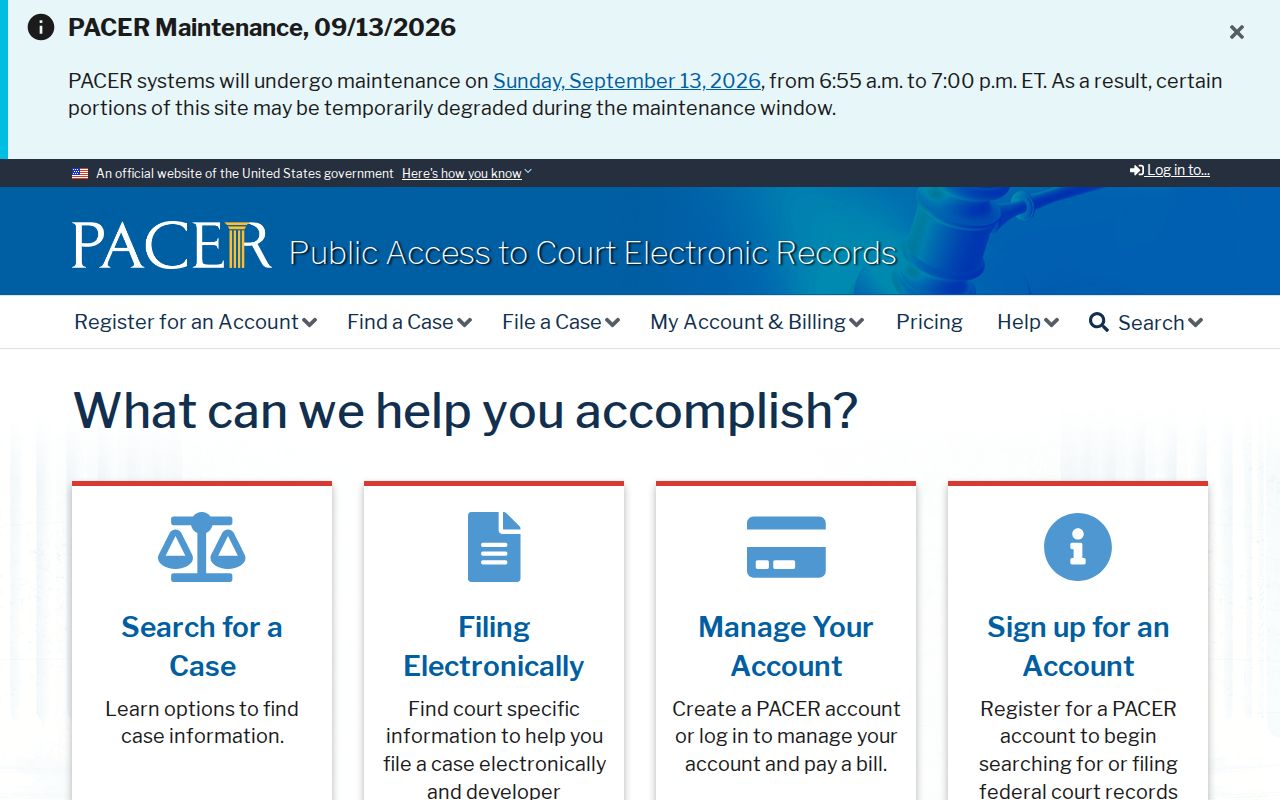
The district page shows which counties it covers and where each courthouse sits. Federal dockets run through the courts' own access service, which charges by the page, and sealed papers stay hidden. A free docket archive holds contributed filings, so treat it as a research aid, not confirmation. None of it is a Chippewa County warrant list.
When You Believe You Are Listed
Spotting your own name shakes anyone. Stay calm and act right. Call an attorney first, then confirm the order with the Chippewa County court that issued it.
Important: Contact an attorney and the issuing court. Do not approach a police facility to argue a listing, and do not wait for a page to be corrected.
Two mistakes cause most of the harm in Chippewa County. One is treating a public listing as the whole story, when only the issuing court can confirm what is filed. The other is waiting, hoping the page comes down and the matter settles itself. It will not. Ask the clerk for the case number, the issue date, and the current status of the warrant. Then ask what the court needs before it will recall the order, since posting payment and making an appearance are two different answers.